Over ten years ago, I wrote about my first experience with KNX home automation when building our previous house. Now, as we embark on a new construction project, I am once again committed to implementing KNX but this time with even more features and a refined approach.
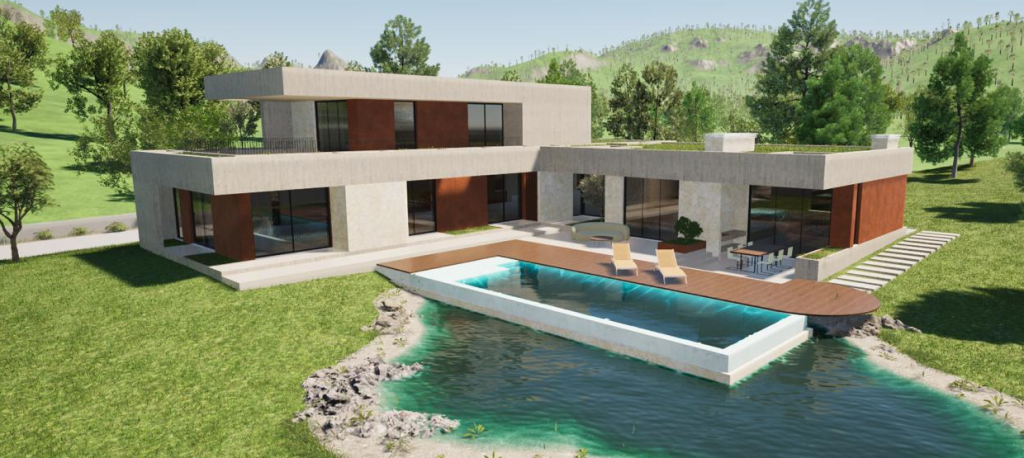
The new construction project – Quinta do Brejo
Why KNX Again?
KNX has proven to be a reliable and future-proof home automation standard. Even after a decade, I can still highly recommend it. However, this time, I am outsourcing the KNX programming to Finluz, as I simply don’t have the time to do it myself and also lack the necessary skills to complete it in a cost-efficient manner (both in terms of time and achieving the desired results). That said, the entire planning process has been handled by me, and I am excited to see it come to life.
I am hiring Finluz to ensure that extensive logic functions are implemented. This includes features such as preventing shutters from closing if windows are open, lighting control based on presence detection combined with brightness sensors, as well as central ‘all-off’ buttons, scene control, and more. These advanced automation features will significantly enhance the usability and efficiency of the system.
Honestly, I can’t quite understand why people still build houses today without KNX! Given the flexibility, expandability, and reliability of KNX, it should be a standard in every new build.
The New KNX Setup
For our new home, I have planned the infrastructure to be as flexible as possible, incorporating lessons learned from my previous installation:
- Electrical Infrastructure: Every room will have NYM-J 5×1.5mm² wiring and Electronics box with separator wall, ensuring expandability for future automation needs.
- Shutter Control: The roller shutter control will again be decentralized.
- Heating System: This time, heating will be centrally controlled per house section (total three sections).
- Lighting: Unlike before, the entire lighting system will be DALI-based, with full LED integration. The house will feature OldoLED LED spots powered by MEANWELL drivers, offering RGBW capability.
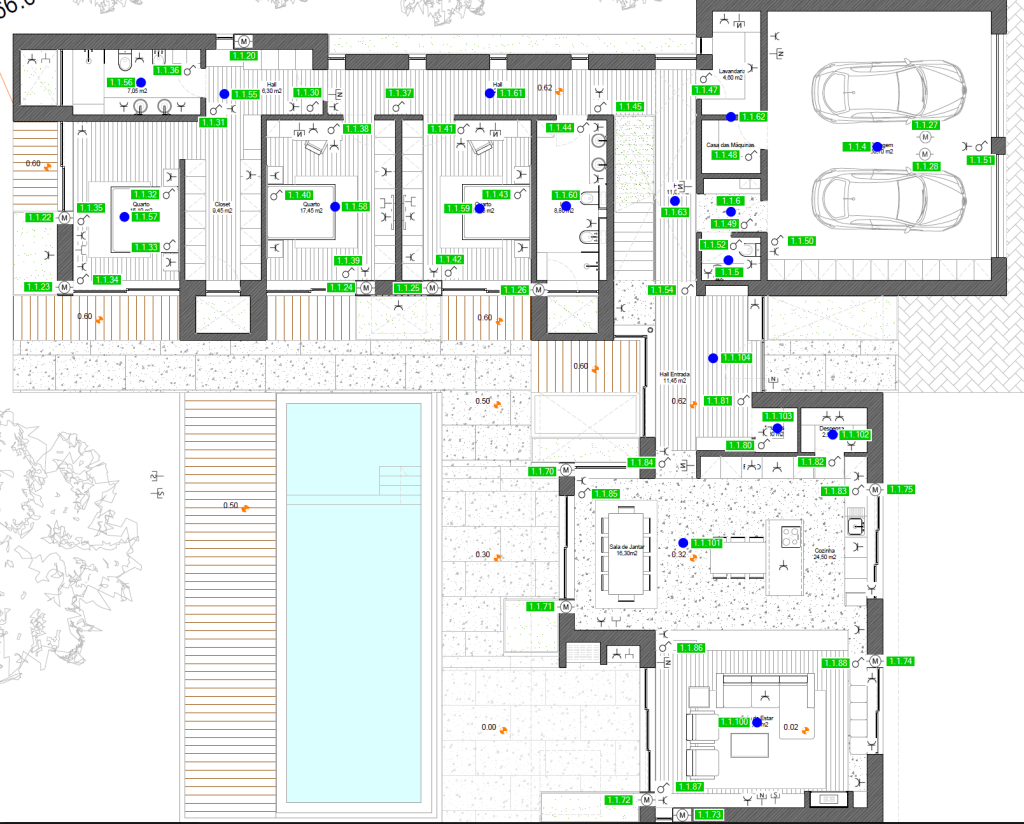
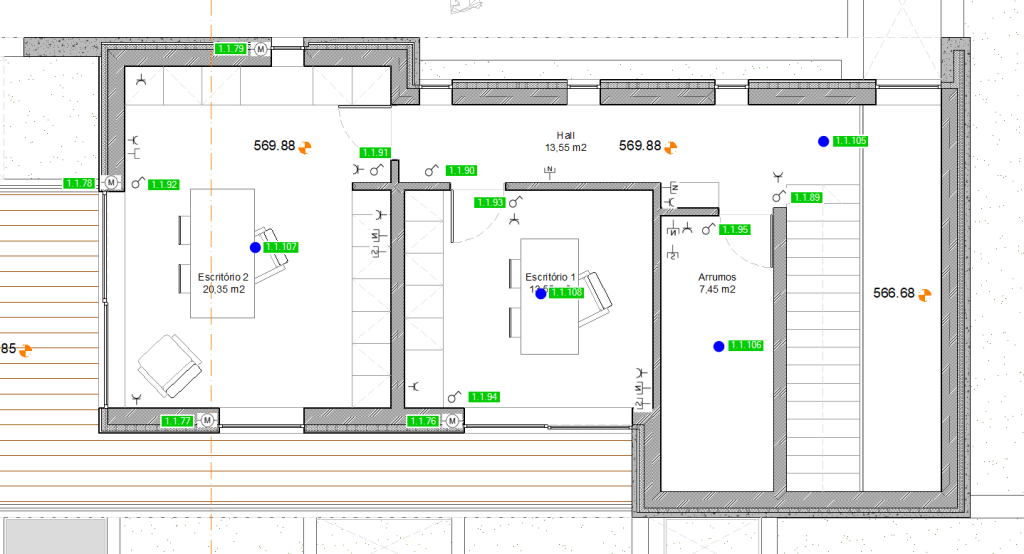
Network and System Architecture
This time, I am taking a more structured approach to the KNX network:
- Two KNX lines (without backbone line) with three segments (two internal, one external). The segmentation was necessary due to voltage issues, which required splitting the lines for stability.
- Line 1.1 Seg A (Internal)
- Line 1.1 Seg B (Internal)
- Line 1.2 Seg A (External)
- Full integration of all systems, including:
- Heating system
- Air conditioning
- Controlled ventilation (KWL)
- Irrigation system
- Pool control
- etc…
The Heart of the System
As before, I am using the Gira HomeServer, which has proven its reliability and stability over the past ten years. It remains my top recommendation for centralizing KNX automation.
Switching & Control
For switch operation, I am moving from the Gira Tastsensor 3 Komfort to the Merten Tastsensor Flex. The key difference? Instead of paper labels, the new switches use a digital display, making them much more adaptable and visually appealing.
Over the years, I tested a touchscreen-based KNX switch, but it didn’t prove practical for daily use. Physical buttons remain essential, as evidenced by user experience studies in the automotive industry such as the ADAC report on Tesla’s touch controls (link).
Cost Optimization
From my previous project, I already gained experience in sourcing KNX hardware cost-effectively. Once again, I have purchased most of the KNX components via (eBay) Kleinanzeigen, Facebook and eBay, reducing costs by approximately 45% compared to new components. The only missing piece at the moment is the KNX switches, for which I am still hunting for a good deal.
Conclusion
A decade later, my approach to KNX remains the same build a solid infrastructure that allows for future upgrades and seamless expansion.
I’d like to thank Ingenieurbüro Beyer again, who originally introduced me to KNX and laid the foundation for my firm belief that building a new home without KNX just doesn’t make sense. This is exactly why I’m implementing it again today!


Leave a Reply